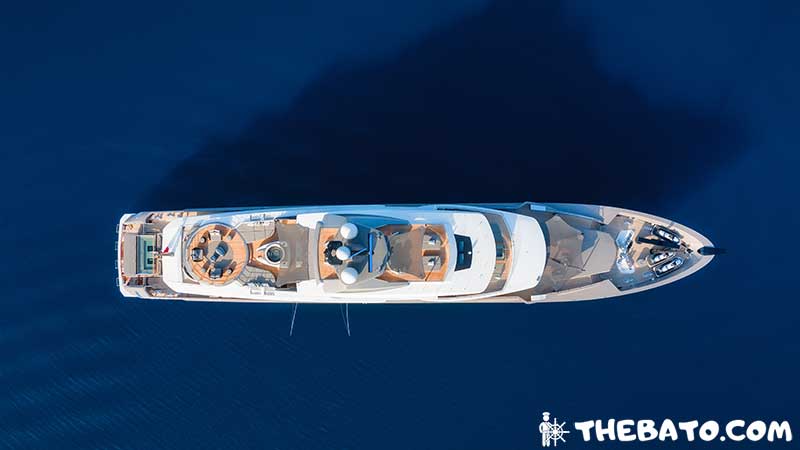
Port of Santa Cruz de Tenerife
Santa Cruz de Tenerife: ferries, timetables and prices
Santa Cruz de Tenerife is the main commercial port on Tenerife and one of the most important ferry hubs in the Canary Islands. From here you can sail with your vehicle to Las Palmas de Gran Canaria, the Spanish mainland (routes to Huelva and Cádiz) and, depending on the season and company, to other islands such as La Palma, La Gomera and Lanzarote. These routes are widely used by residents, workers, freight and holidaymakers travelling with cars, vans or on foot. On TheBato you can compare ferry companies, timetables and prices in a single search, add your vehicle and choose your seats or cabin, with support in English and Spanish.
Search ferry tickets
Popular routes from Santa Cruz de Tenerife
- Santa Cruz de Tenerife ↔ Las Palmas de Gran Canaria – frequent inter-island route for passengers and vehicles
- Santa Cruz de Tenerife ↔ Huelva – long-distance connection with southern mainland Spain
- Santa Cruz de Tenerife ↔ Cádiz – classic Atlantic route linking the Canaries and Andalusia
- Santa Cruz de Tenerife ↔ Santa Cruz de La Palma / Arrecife – services on certain days via combined island routes
Tip: in high season (summer, Easter, Christmas and long weekends), ferries from Santa Cruz de Tenerife can be very busy, especially long crossings to Huelva and Cádiz. Book early, particularly if you travel with a car or van, and compare departures and prices on TheBato.
Nearby alternative routes
Timetables and crossing time
Ferry timetables from Santa Cruz de Tenerife vary by route, company and season, with more departures in high season. The Santa Cruz de Tenerife ↔ Las Palmas crossing usually takes around 2–3 hours on fast ferries or longer on conventional vessels. Long-distance crossings between Santa Cruz de Tenerife and Huelva or Cádiz typically last around 30–40 hours, often as overnight journeys with cabins available. Inter-island legs to La Palma or Arrecife (Lanzarote) are usually scheduled as part of combined routes and can take several additional hours depending on stops. On TheBato you can view current schedules, approximate duration and onboard accommodation options for each sailing.
Prices and how to save
- Book well in advance for summer, long weekends, Christmas and school holidays, especially on routes to mainland Spain.
- Compare different days and times (mid-week vs. weekends, night vs. day departures) to find better fares.
- If you travel with a car, van or motorbike, reserve as soon as you know your dates: vehicle spaces on Tenerife–mainland routes can sell out quickly.
- Check possible resident discounts for Canary Islands residents and families, according to each company’s conditions.
Documents and boarding
- Check-in: usually 60–90 minutes before departure with a vehicle on inter-island routes and up to 90–120 minutes for long crossings to the mainland; foot passengers should arrive at least 45–60 minutes before departure.
- Travel documents: for domestic routes within Spain and the EU/Schengen area, a valid ID card or passport is normally sufficient. Non-EU passengers should verify entry rules for Spain and the EU.
- Vehicle papers: registration, insurance and valid technical inspection for cars, vans and motorbikes where applicable.
- Travelling with children: some companies or authorities may request additional authorisation when a minor travels with one parent or relatives. Check requirements in advance.
- Pets: most ferries accept pets with leash or carrier and up-to-date vaccinations. Always review each company’s pet policy when booking.
How to get to Santa Cruz de Tenerife port
- By road: the port is next to the centre of Santa Cruz, connected by the TF-1 and TF-5 motorways with the rest of Tenerife. Follow signs for “Puerto” once you enter the city.
- Bus / tram: urban buses and the tram link different districts of Santa Cruz and nearby towns with the centre; from there you can walk or take a short taxi ride to the ferry terminal.
- Airports: Tenerife North and Tenerife South airports are connected to Santa Cruz by bus, taxi and hire car; allow extra time in high season.
- Within the city: the ferry area is close to the waterfront and main avenues, with shops, hotels and services within walking distance.
- Parking: there are public and private car parks near the port and city centre; always check opening hours, prices and security conditions, especially for long stays.
Port services
The port of Santa Cruz de Tenerife handles passenger ferries, cruise ships and freight. Facilities typically include ticket offices and check-in desks, customs and security controls, waiting rooms, toilets, cafés, nearby shops and services for passengers with reduced mobility. Being next to the city centre, it offers easy access to accommodation, shopping areas and restaurants. On busy travel days it is advisable to arrive early, especially if you are travelling with a vehicle or on long crossings to the mainland.
Why book with TheBato
On TheBato you can compare multiple ferry companies that operate between Tenerife, the other Canary Islands and mainland Spain. Plan your trip in one place: add your vehicle or travel on foot, choose your timetable and onboard accommodation and pay securely online. Our team frequently helps families, residents, students and visitors travelling around the archipelago and to the Peninsula, with support in English and Spanish via WhatsApp and email.
Related ports
Search ferries from Santa Cruz de Tenerife
Frequently asked questions (FAQ)
What ferry routes operate from Santa Cruz de Tenerife?
From Santa Cruz de Tenerife there are frequent ferries to Las Palmas de Gran Canaria and regular long-distance routes to Huelva and Cádiz on mainland Spain, together with combined services to other Canary Islands depending on the season and operator.
How long is the ferry from Santa Cruz de Tenerife to Las Palmas?
The crossing between Santa Cruz de Tenerife and Las Palmas de Gran Canaria usually takes around 2–3 hours on fast ferries, though times can be longer on conventional vessels and in adverse sea conditions.
How long is the ferry from Santa Cruz de Tenerife to Huelva or Cádiz?
Long-distance ferries from Santa Cruz de Tenerife to Huelva or Cádiz typically take around 30–40 hours, depending on the route, operator, intermediate stops and weather conditions.
Are there ferries from Santa Cruz de Tenerife all year round?
Yes. Inter-island services and routes to mainland Spain generally operate throughout the year, with more departures in summer and during main holiday periods. Timetables and frequencies vary by season and company.
Can I travel with a car or motorbike?
Yes. Most ferries from Santa Cruz de Tenerife accept cars, vans and motorbikes. Select “with vehicle” when searching on TheBato and enter the exact type and dimensions when you book.
Do I need a passport to travel between Tenerife and the other Canary Islands or mainland Spain?
These are domestic Spanish ferry routes within the Canary Islands and between the islands and the Peninsula. A valid ID card or passport is normally enough, but non-EU nationals should always check entry and residence rules for Spain.
When should I arrive at Santa Cruz de Tenerife port for boarding?
If you are travelling with a vehicle, plan to arrive about 90–120 minutes before departure for long routes and at least 60–90 minutes for inter-island crossings. Foot passengers should be at the port 45–60 minutes before departure, and a bit earlier on very busy days.

 Modern Cow Boy Hat
1 × $100.00
Modern Cow Boy Hat
1 × $100.00
 Cat Eye Sunglasses
1 × $10.00
Cat Eye Sunglasses
1 × $10.00